Skip to content

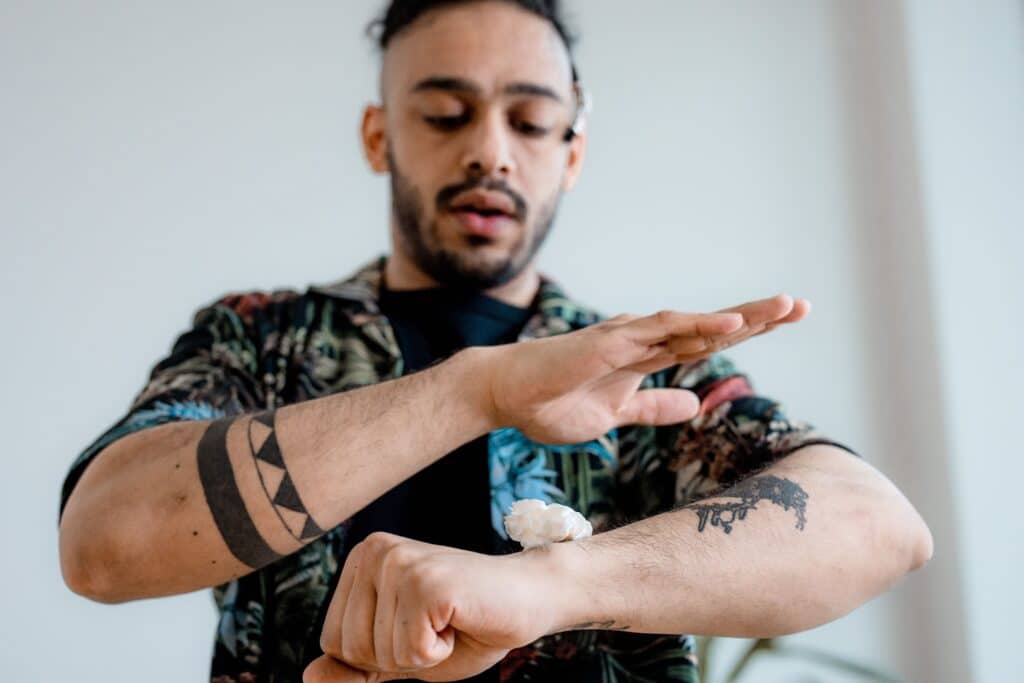
A tattoo appointment does not end when the session is over. The healing phase plays a major role in how the final tattoo will look, and good aftercare can make the difference between a smooth recovery and unnecessary problems. Many clients in the United States search for aftercare advice after they get home, but the best time to understand it is before leaving the studio.
Follow your artist’s instructions first
Every artist has a preferred healing method based on experience, skin response, and the type of work they do. Some recommend a specific bandage period, while others may suggest a gentle wash sooner. General advice is useful, but your artist’s instructions should always come first unless a medical professional tells you otherwise.
Keep the tattoo clean
Once it is time to clean the area, use lukewarm water and a mild fragrance-free soap. Wash with clean hands, not rough cloths or sponges. Pat the area dry with a clean paper towel or let it air dry. Rubbing the skin can irritate a fresh tattoo and slow healing.
Use a light layer of aftercare product
Moisture matters, but too much product can be just as unhelpful as too little. A thin layer of a fragrance-free aftercare lotion or ointment is usually enough. The tattoo should feel hydrated, not greasy or suffocated. If the skin looks shiny for hours, that is often a sign you are applying too much.
Do not pick or scratch
Peeling and light flaking are normal during healing. What matters is letting the skin recover naturally. Picking scabs, scratching itchy areas, or over-washing the tattoo can remove ink before the skin has settled. It is one of the most common reasons clients end up with patchy healed spots.
Avoid soaking and heavy friction
Fresh tattoos should not be submerged in pools, hot tubs, baths, lakes, or the ocean. Showers are fine, but prolonged soaking is not. Tight clothing, gym equipment rubbing the skin, and direct friction from straps or waistbands can also irritate the area, especially in the first days of healing.
Protect the tattoo from the sun
Sun exposure is one of the biggest long-term enemies of a tattoo. During healing, keep the area covered when possible and avoid direct sun. Once fully healed, regular sunscreen helps preserve linework and contrast. This is especially important in sunny parts of the United States where UV exposure is strong for much of the year.
Know when something is not normal
Some redness, tenderness, and warmth are expected at first. What should raise concern is increasing pain, unusual swelling, pus, fever, or redness that spreads instead of improving. If something feels wrong, contact your artist and seek medical advice when needed. It is better to act early than wait and hope it resolves on its own.
Good tattoo aftercare is simple, but consistency matters. Keep the tattoo clean, avoid overworking the skin, follow professional instructions, and be patient while the body heals. Clients who respect the healing process usually get the best long-term result, both in appearance and comfort.